
Erasmus+ KA2 VET
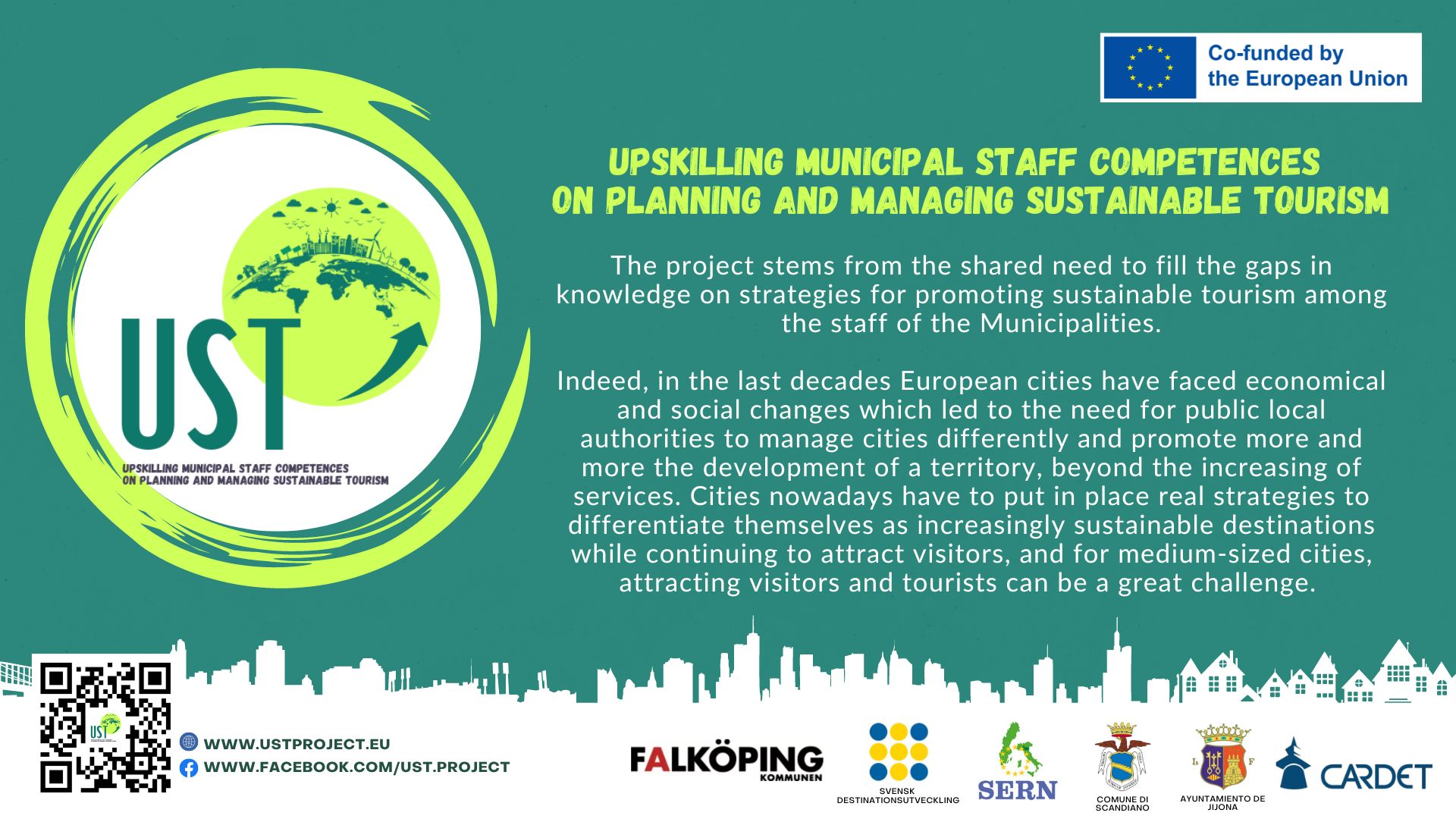
In the last decades European cities have faced economical and social changes which led to the need of public local authorities of managing cities differently and promoting more and more the development of a territory, beyond the increasing of services. Cities nowadays had to put in place real strategies to differentiate themselves and continue to attract visitors, and for medium-sized cities, attracting visitors and tourists can be a great challenge.
The project stems from the awareness of the partners that there are gaps in knowledge on strategies for promoting sustainable tourism among the staff of their Municipalities. The gaps include lack of training tools to allow both Municipalities’ staff and stakeholders to increase their knowledge on the subject and improve forms of collaboration.
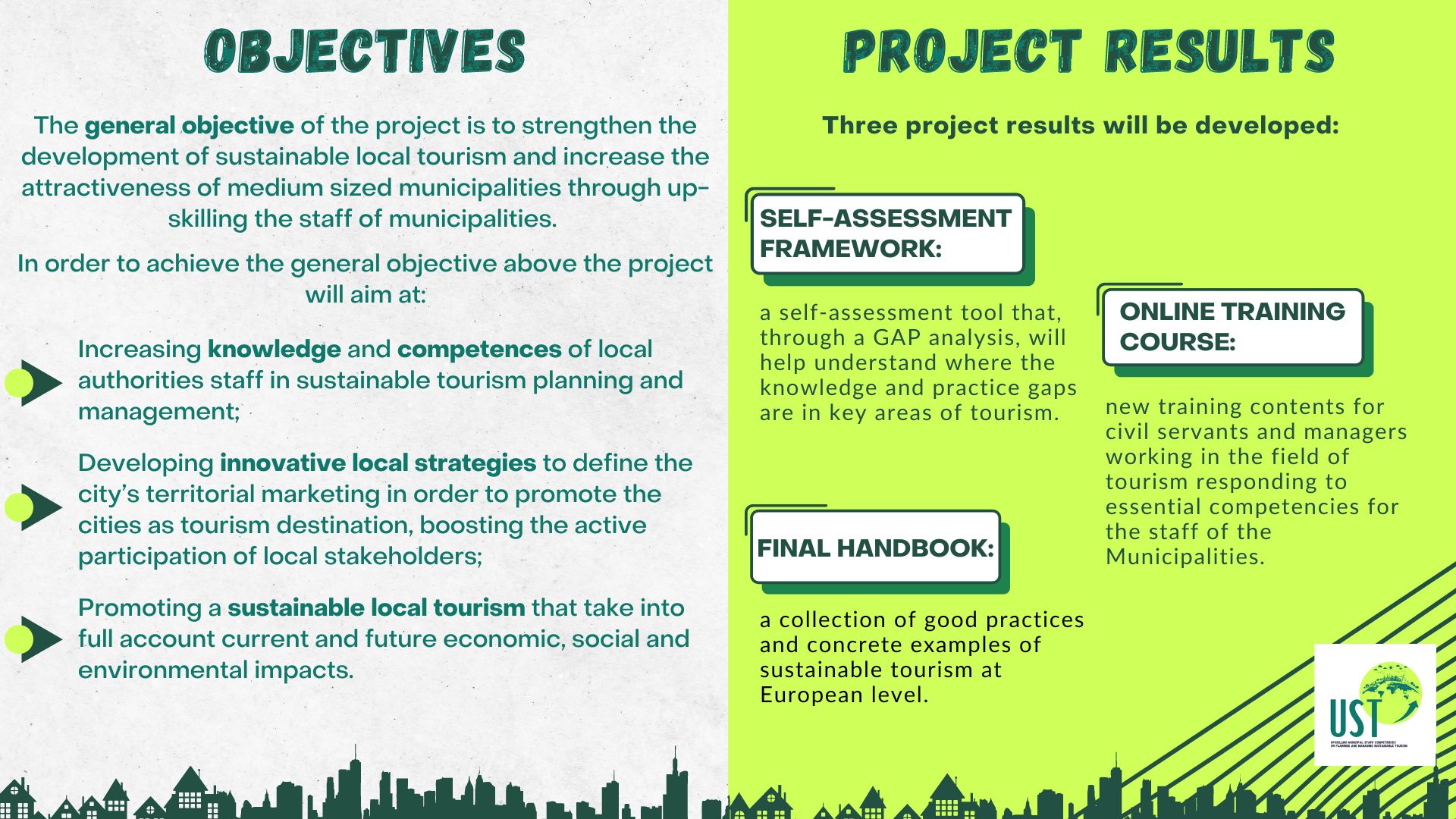
The general objective of the project is to strengthen the development of sustainable local tourism and increase the attractiveness of medium sized municipalities through up-skilling the staff of municipalities.
In order to achieve the general objective above the project will aim at:
1. increasing knowledge and competences of local authorities staff in sustainable tourism planning and management;
2. developing innovative local strategies to define the city’s territorial marketing in order to promote the cities as tourism destination, boosting the active participation of local stakeholders;
3. promoting a sustainable local tourism that take into full account current and future economic, social and environmental impacts.
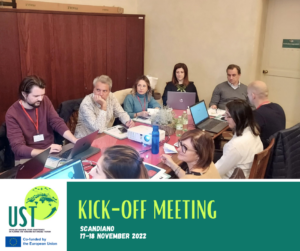
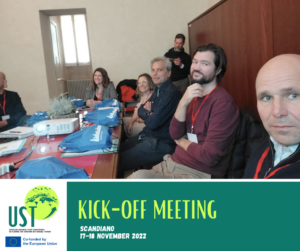
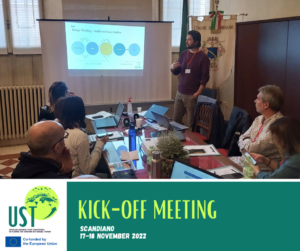
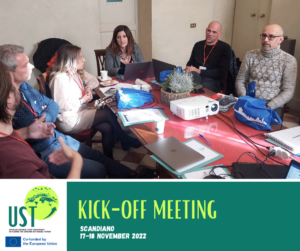
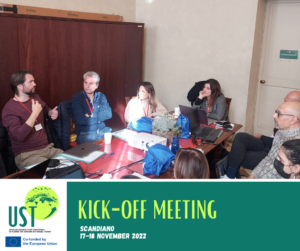
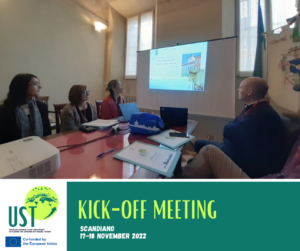
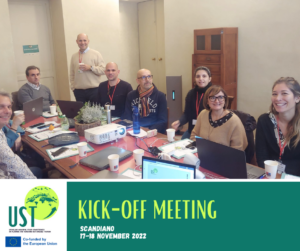
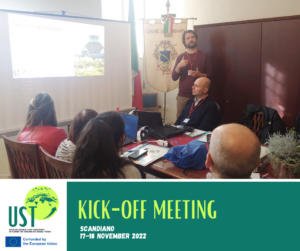
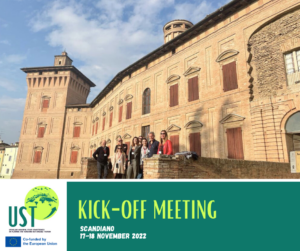
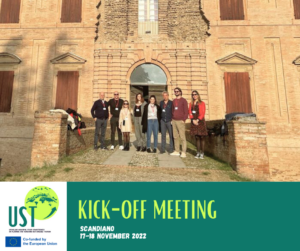
Kick-off Meeting – Scandiano, November 2022
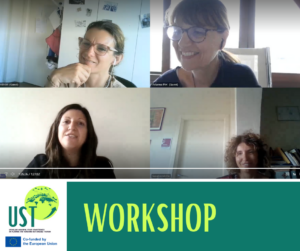
The UST project was officially launched in Scandiano on 17–18 November 2022. This first face-to-face meeting allowed partners to get to know each other, agree on the next steps, and define the tourist areas to be covered by the project. A workshop led by SveDest introduced participants to the concept of sustainability in tourism, setting the foundations for the work ahead.
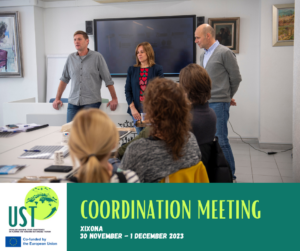
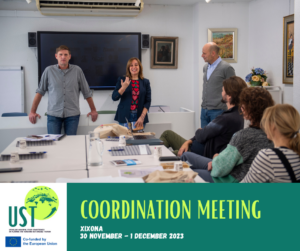
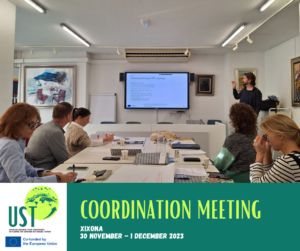
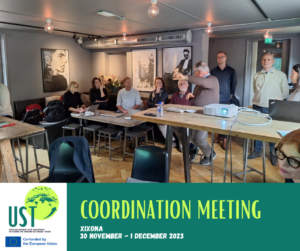
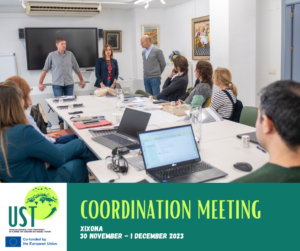
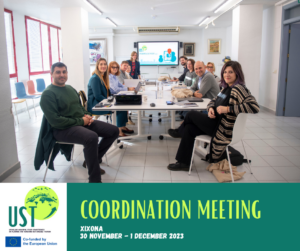
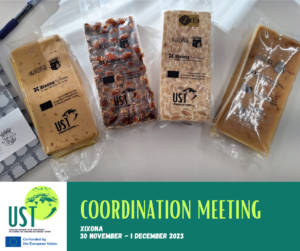
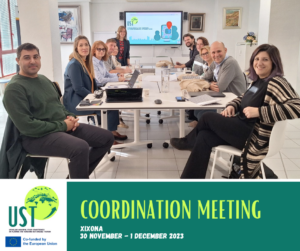
Coordination Meeting – Xixona, November 2023
On 30 November–1 December 2023, partners met in Xixona to review progress and define the roadmap for the following months. The discussions focused on the design of the online training course for civil servants, with an emphasis on showcasing sustainable tourism practices. The meeting also highlighted the importance of involving stakeholders and strengthening cooperation across sectors.
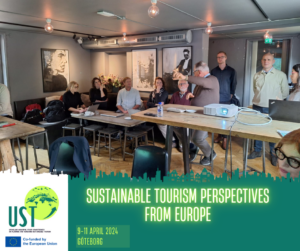
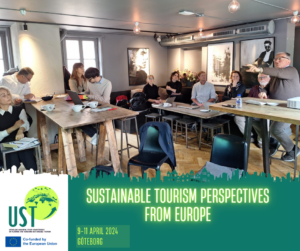
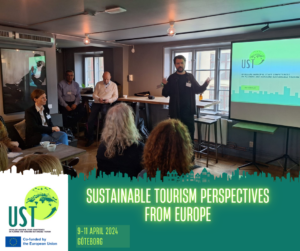
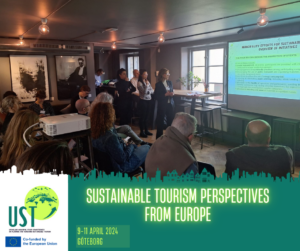
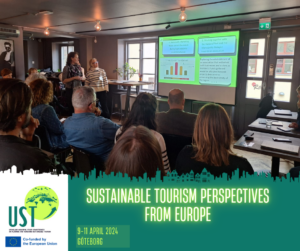
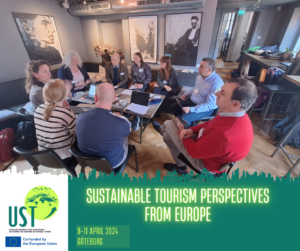
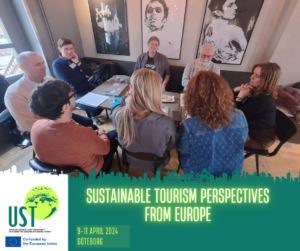
Seminar – Gothenburg, April 2024
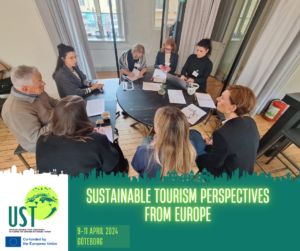
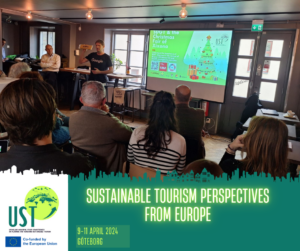
From 9 to 11 April 2024, Gothenburg hosted a three-day seminar on Sustainable Tourism Perspectives from Europe. Organised by SveDest, the seminar brought together stakeholders, experts and practitioners. Sessions focused on stakeholder engagement, expert insights, and case studies from across Europe, concluding with reflection and action planning for the next steps in sustainable tourism development.
Coordination Meeting – Falköping, February 2025
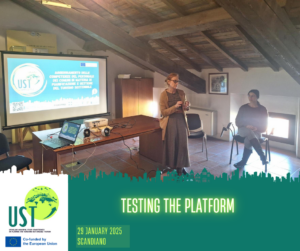
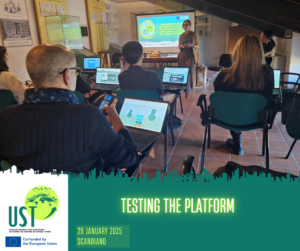
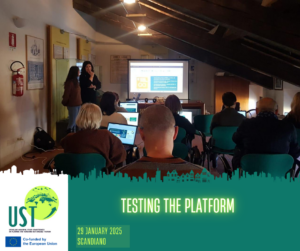
On 25–26 February 2025, project partners from Sweden, Spain, Italy and Cyprus gathered in Falköping for a key coordination meeting. Discussions centred on the results of the e-learning platform testing and the preparation of the final handbook, which compiles good practices and examples of sustainable tourism across Europe. The programme also included a study visit to Lake Hornborga and the Naturum visitor centre, offering concrete insights into how local communities balance environmental protection with tourism development.
The UST project has strengthened the capacity of municipalities to plan and manage tourism in a more sustainable way. Through the development of practical tools, training opportunities and the exchange of good practices, it has supported local authorities in identifying gaps, improving competences and adopting innovative strategies. The project has also fostered stronger cooperation between municipalities and local stakeholders, creating a shared approach to tourism that values communities, culture and the environment.

The main purpose of the Self-Assessment Questionnaire is to help municipalities evaluate their competencies in planning and managing sustainable tourism. By using this questionnaire, municipalities can assess their knowledge, policies, and strategies, identifying gaps in skills and practices that need improvement. This assessment serves as the foundation for targeted upskilling activities aimed at strengthening the role of local authorities in sustainable tourism development.
The questionnaire consists of two main sections: a general evaluation of the municipality’s tourism-related policies, governance, and stakeholder engagement, and a more specific assessment based on the United Nations Sustainable Development Goals (SDGs). The SDG section helps municipalities reflect on their performance in key areas such as responsible tourism, environmental sustainability, accessibility, gender equality, and economic development.
Responses are measured using a four-point scale, which allows municipalities to assess their level of maturity in different aspects of sustainable tourism. The goal is not to provide a ranking but to facilitate an honest reflection on strengths, weaknesses, and areas that require upskilling.

The Gap Analysis is a comparative analysis of sustainability aspects in the tourism sector, developed as part of the UST project. The primary goal of this analysis is to identify gaps in municipal competencies and practices related to sustainable tourism management, providing a foundation for targeted training activities.
The report presents the findings of the Self-Assessment Framework. Tested in several partner municipalities, including Scandiano (IT), Xixona (ES), and Falköping (SE), as well as associated municipalities like Bertinoro (IT) and Polemidia (CY), this tool has made it possible to identify strengths and weaknesses in policies and decision-making processes related to sustainable tourism.
The analysis highlights four key areas for upskilling: defining a clear strategic vision, improving communication and stakeholder engagement, enhancing understanding of sustainability challenges in tourism, and fostering collaboration with local, regional, and national partners. Additionally, the study identifies specific training opportunities linked to the SDGs, with a focus on themes such as local entrepreneurship (SDG 1 and 2), circular economy (SDG 12), and environmental conservation (SDG 14 and 15).

The UST e-Learning Platform is an online training hub and provides municipalities with practical learning resources to enhance their competencies in sustainable tourism planning and management.
The platform offers interactive training modules designed to address key knowledge gaps identified in the project’s Gap Analysis. The content is aligned with the UN SDGs and focuses on critical areas such as strategic vision, stakeholder engagement, circular economy, and environmental conservation. Through a combination of multilingual animated videos, study materials, best practice checklists, and self-assessment quizzes, the platform equips municipal staff with the tools to develop and implement effective sustainability strategies.

The final handbook gathers the experiences of municipalities and partners from across Europe who have worked to embed sustainability into tourism policies and practices.
Serving as both a guide and a practical resource, the handbook illustrates how municipalities can play a decisive role in shaping tourism that delivers long-term benefits for communities while safeguarding cultural heritage and natural environments. Through the Self-Assessment Framework, it provides a tool for reflecting on current strategies, identifying strengths and challenges, and planning future actions. Case studies and concrete examples show how sustainability can be integrated into governance, community engagement, and tourism management.
Rather than prescribing a single model, the handbook highlights diverse approaches tested in different contexts. It is designed for municipal staff, policy-makers and practitioners seeking to understand how sustainable tourism can be planned and managed in everyday governance, and it supports the development of strategies that place people, culture, and the environment at the centre of tourism.