
Social services and digitalisation
learning mobility of individuals
Since 2021, SERN has held an Erasmus+ accreditation in Adult Education, valid for the entire 2021–2027 period. The accreditation supports a structured training strategy for professionals working in the welfare sector, coordinated through a consortium of local authorities and social service providers (ASP).
The main objective is to invest in the skills of those who design and deliver personal care services, social workers, coordinators, service managers, and public officials, through international mobility and peer learning.

2025 - 2026
Funded by

Erasmus+, KA1 – Accreditation
Funded by the European Union. Views and opinions expressed are however those of the author(s) only and do not necessarily reflect those of the European Union or the Istituto Nazionale di Documentazione, Innovazione e Ricerca Educativa (INDIRE). Neither the European Union nor INDIRE can be held responsible for them.
Information
- Length: 2021-2027
- Lead Partner: SERN
- Priority Area: #InclusiveCommunities #ServicesForVulnerableGroups #DigitalSkills #DigitalizedCommunities
- Members Involved: ASP Parma (IT); ASP Cav. Rossi - Sidoli (IT); ASP Carlo Sartori (IT); ASSB Bolzano (IT); Consorzio Icaro (IT); Municipality of Faenza (IT); Municipality of Cervia (IT); Azienda Pedemontana Sociale (IT)
- Hosting Partners: Norrköping Municipality (SE); Linköping Municipality (SE); Helsingborg Municipality (SE); Trollhättan Municipality (SE); Zadar Municipality (HR); Paradox - Dementia Expertise Centre Ghent (BE); APCC – Associação de Paralisia Cerebral de Coimbra (PT)
Contacts

- laura.avanzi@sern.eu
- +39 348 8786110
The fifth year of the Accreditation involves more than 50 professionals from the member organisations of the consortium, who take part in a new cycle of European mobility opportunities. Activities run from December 2025 to August 2026 and include a combination of structured training courses, job shadowing placements and group mobility initiatives, designed to strengthen professional competences, foster innovation and promote the exchange of good practices across the welfare sector.
The first activity of this new cycle was the training course based “Out-of-home care in Sweden”, held in Parma in December 2025 and delivered by invited experts from Norrköping Municipality.
The course provided an in-depth overview of the Swedish out-of-home care model, including foster care, residential care, recruitment and support of foster families, and inter-agency cooperation, offering participants valuable insights for future professional development and organisational improvement.
In December, a second training has been offered to Italian participants by Belgian invited experts on how to act with people with dementia in daily actions and how to approach their challenging behaviours. These two training programmes were propaedeutic actions to two jobshadowing rounds that took place during 2026.
From March to August 2026, the programme continues with a series of transnational mobility activities, in particular two structured courses, three rounds of jobshadowing and a group mobility.
In March 2026, a job shadowing activity on child protection and foster care took place in Norrköping (Sweden), focusing on the role of social workers in approaching challenges with fragile families and the actions of the family treatment team in the overall Swedish system.
In April, participants joined a second job shadowing programme in Zadar (Croatia) focusing on the welfare system for older people and persons with disabilities highlighting the importance of the cooperation between public sectors and volunteering associations in improving the offer of personalised services for elderly in a multifaced welfare system as the Croatian one.
In May, a third job shadowing experience in Coimbra (Portugal) addressed the topic of the disability inclusion, labour market integration and housing policies in order to create an active and participative framework in which all citizens can be included. Special attention was paid to various projects to increase the independence of disabled adults in the job market and to participate proactively in the local community and in the social activities.
The month of June represented an intense activities period for the participating organisations in the SERN mobility consortium with three different activities:
- a five days structured course on dementia care has been organised in Ghent (Belgium) by the Expertise Center Dementia Paradox with a special focus on how to support professionals working with people with dementia in managing emotions and behaviours’ challenging;
- a second five days structured course on child protection in Trollhättan (Sweden) to better understand the preventive work for domestic violence and the activities of Familjehuset and the home based care solutions for fragile children;
- a group mobility took place in Linköping and Helsingborg (Sweden) focusing on elderly care facilities and the Swedish public housing system especially for elderly, seniors and seniors+. Particular attention was paid to the use of welfare technology to support elderly care and their families and caregivers and to try decrease the level of loneliness of seniors.
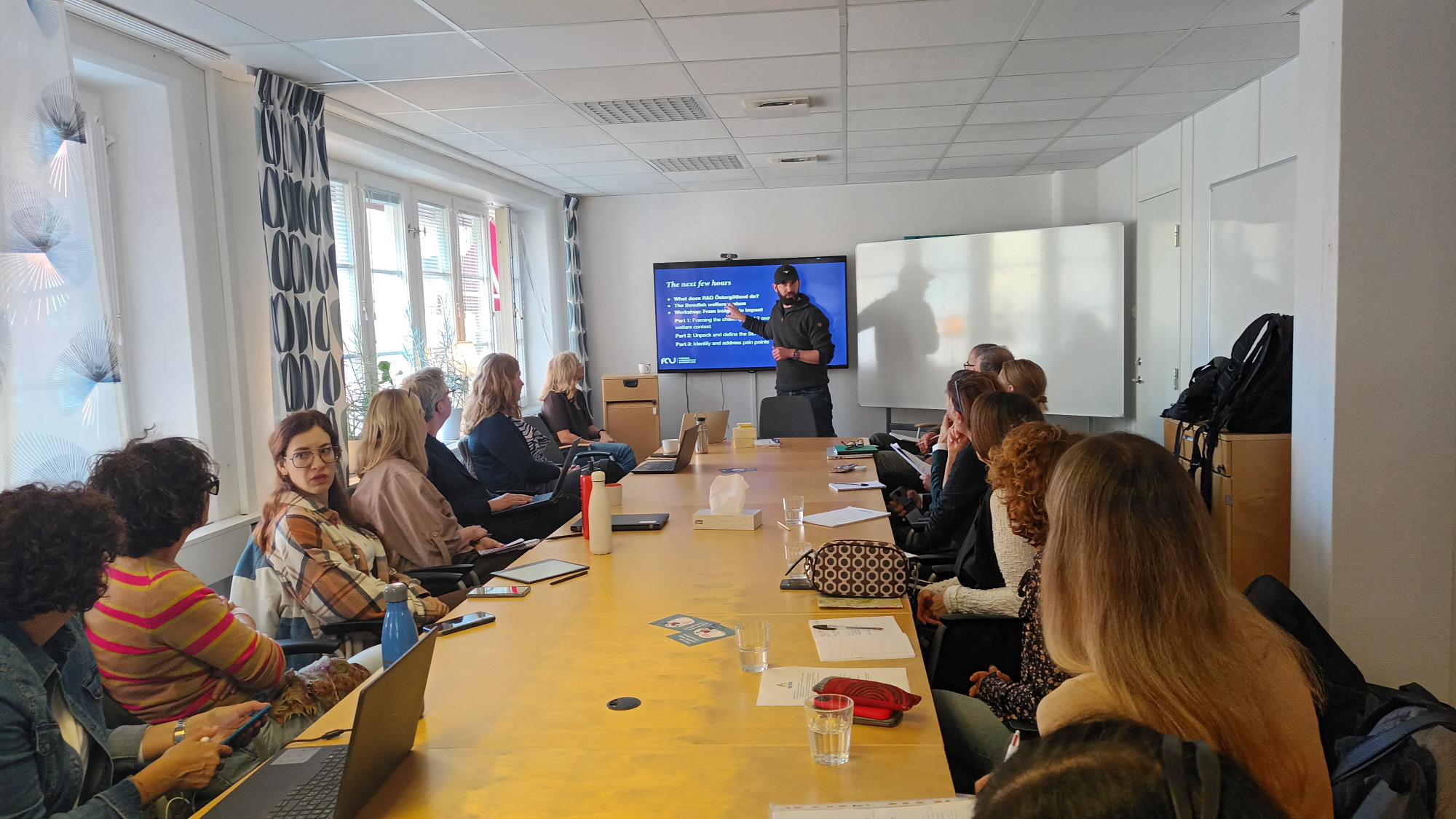
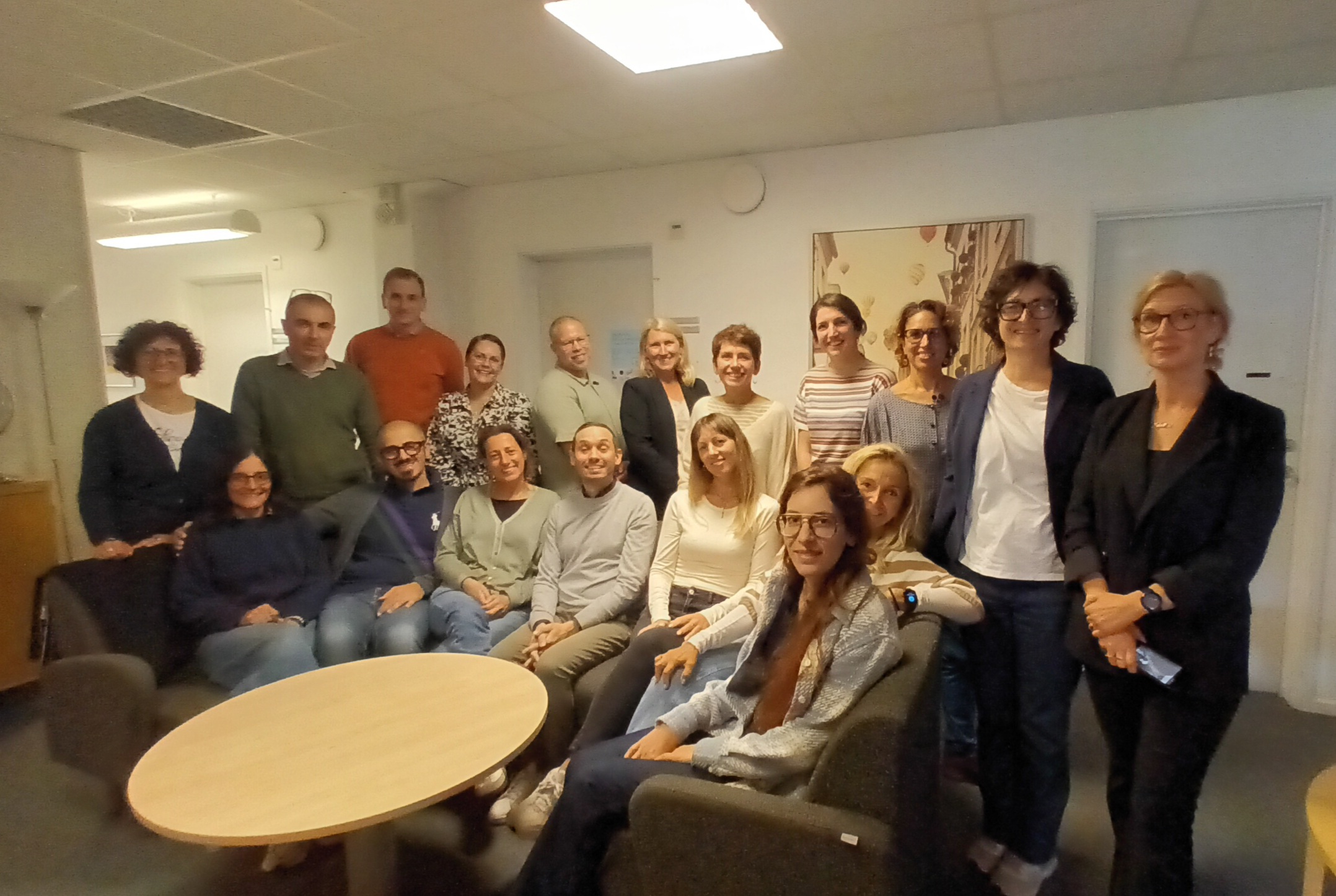
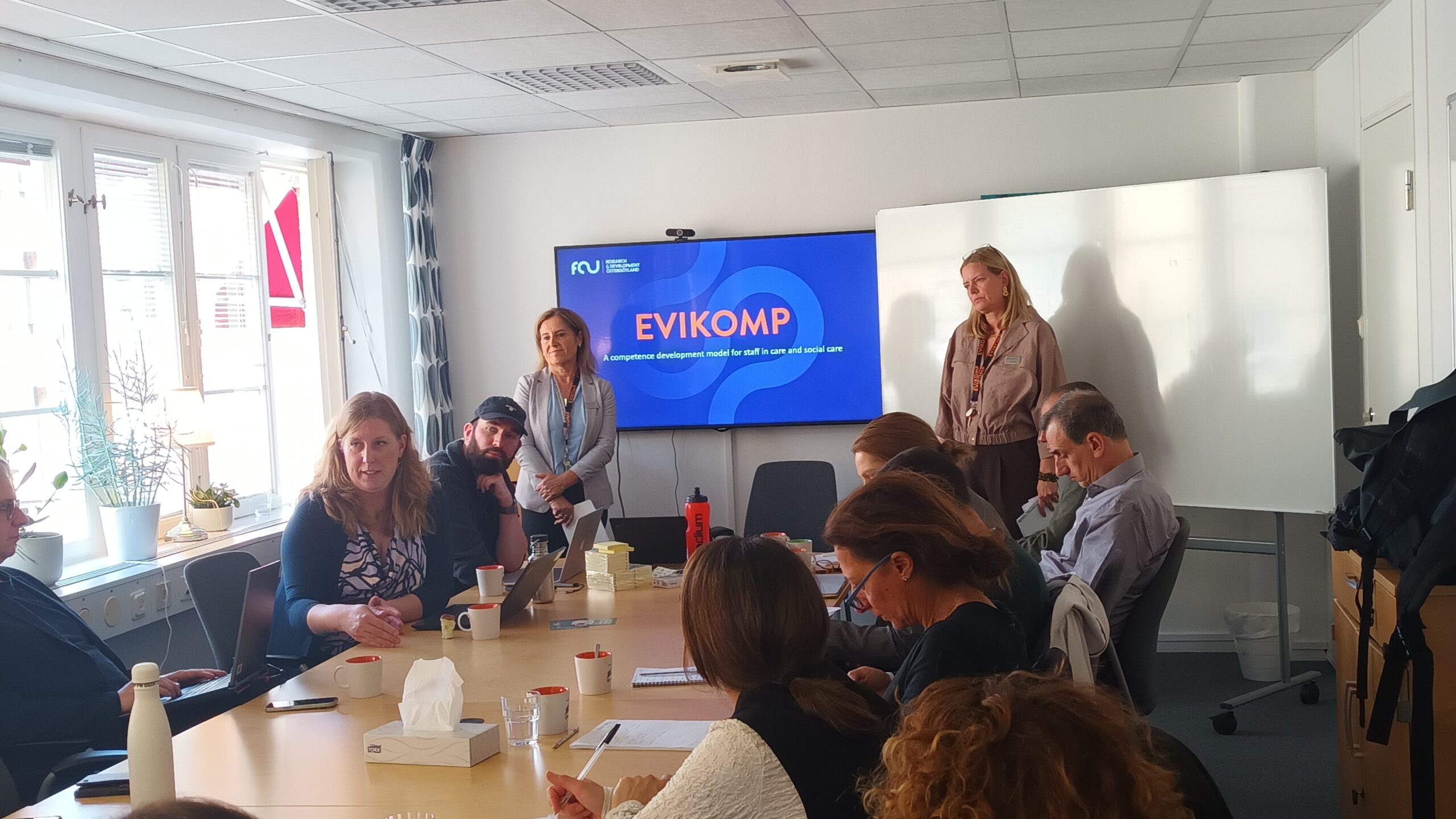
In September 2026, representatives of the SERN consortium took part in a structured course in Östergötland on how to turn Erasmus+ mobility into lasting organisational change. The training addressed the “implementation gap“: the impact of mobility is strongest for individuals and weakest for organisations. Hosted by FoU Östergötland, participants explored Swedish examples of turning knowledge into practice in social services, from large-scale research to local innovation in the district of Skäggetorp. They then mapped the SERN knowledge journey and identified the weak points that stop mobility learning from reaching member organisations.
The programme has been defined in close collaboration with consortium members and host organisations across Europe. In continuity with previous years, the focus remains on providing high-quality learning environments, expanding the thematic scope of the mobility offer and ensuring that staff development actions are aligned with organisational strategic priorities as far as concerned all the welfare sectors (elderly and disability care, fragile families and children, youth people wellbeing, people with dementia) in line with the Erasmus+ Plan that has been approved by the Erasmus+ Italian national agency.